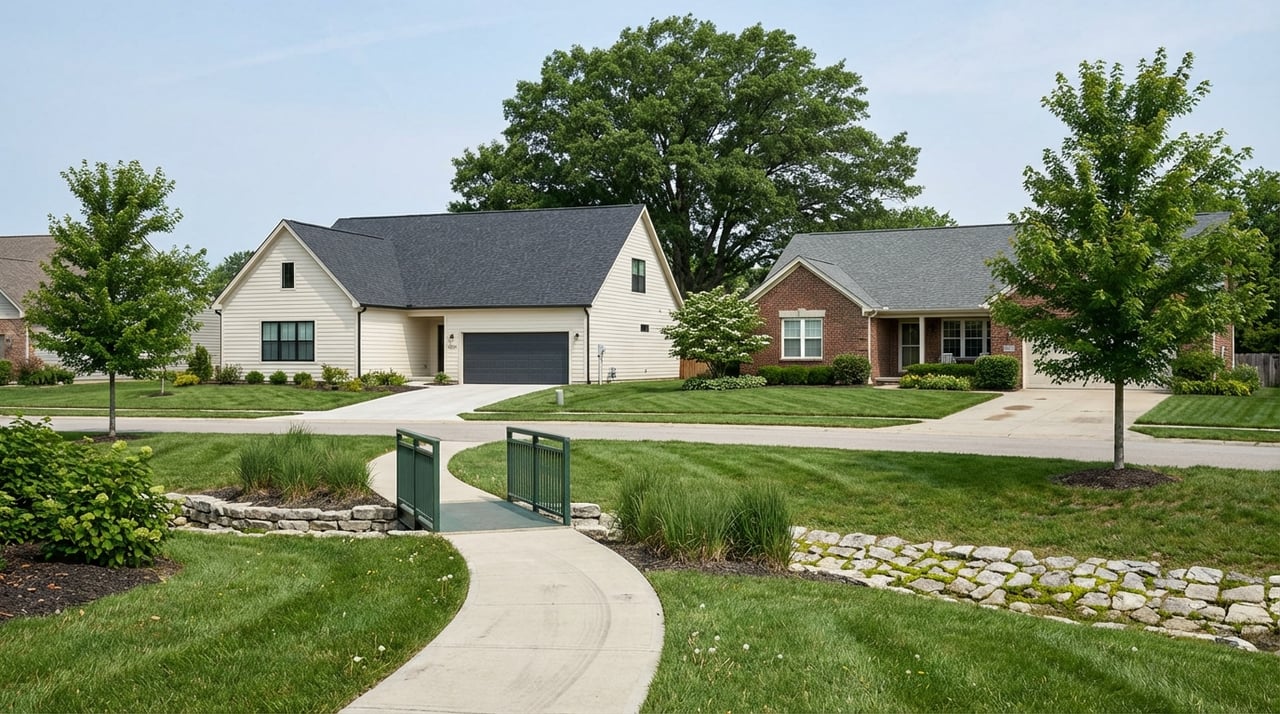
Trying to choose between Union and Florence for your next home base? You’re not alone. Both sit in Boone County with easy access to Cincinnati and CVG, but they offer very different day-to-day experiences. If you’re moving up or relocating, you want clear facts, not guesswork. In this guide, you’ll compare prices, commutes, schools, amenities, and lifestyle feel so you can zero in on the right fit for your family. Let’s dive in.
Quick snapshot: key numbers that matter
Before you tour homes, anchor your decision with a few reliable data points. These figures come from U.S. Census American Community Survey (ACS) 5‑year estimates and marketplace snapshots noted below.
- Population (city limits, 2024 est.): Florence ≈ 33,763; Union ≈ 7,874. Source: U.S. Census QuickFacts for Florence and Union.
- Typical home values and sales (late 2025 to Jan 2026 snapshots): Zillow’s ZHVI places Florence around $280k and Union around $444k. Redfin reports a Union median sale near $439k, and Realtor.com shows Florence list/sales metrics in the $290k range. These use different methodologies, so compare carefully.
- Median household income (ACS): Florence ≈ $71,003; Union ≈ $136,712. See QuickFacts and the Florence QuickFacts page.
- Mean commute time (ACS): Florence ≈ 23.3 minutes; Union ≈ 26.4 minutes. Source: QuickFacts.
- Owner‑occupancy rate (ACS): Union ≈ 82%; Florence ≈ 57%. Source: QuickFacts for Union and Florence QuickFacts.
Bottom line: Union skews newer, larger, and pricier. Florence is bigger, busier, and offers more price variety and amenities nearby.
Housing and neighborhoods: what you’ll see
Florence: broad mix and strong convenience
Florence is Boone County’s commercial hub. You’ll find established subdivisions from the mid‑century period through the 1990s, townhomes and apartments near retail corridors, plus pockets of newer infill. The result is a wide range of prices and home types, including options that fit many move‑up budgets. Recent marketplace snapshots show typical Florence values in the upper $200k range, with month‑to‑month shifts across neighborhoods.
What this means for you: if you want more choices at mid‑market price points, or you prefer to stay close to shopping, dining, and services, Florence often delivers. You can also spot occasional rehab opportunities if you want to build sweat equity.
Union: newer builds and planned communities
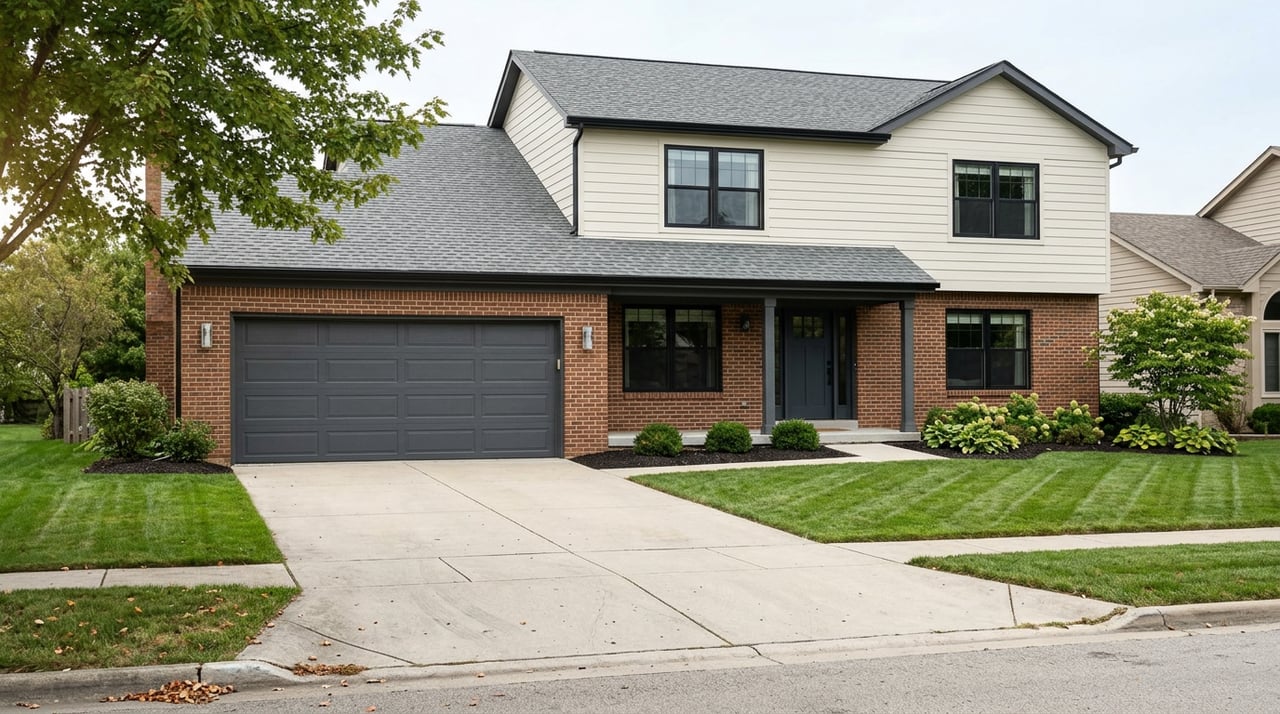
Union’s growth centers on newer single‑family homes, master‑planned neighborhoods, and country‑club communities. Homes often feature larger footprints, open layouts, energy‑efficient systems, and upscale finishes. Inventory trends and recent reports show Union’s typical values running well above Florence at the time of those snapshots.
What this means for you: if you want newer construction, larger lots, and a more residential setting, Union is a strong match. Expect higher base prices, and plan for HOA considerations in master‑planned sections.
New construction vs. established homes
- Union emphasis: Newer builds, larger lots, modern layouts, and builder warranties. You trade up in price for lower immediate maintenance and fresh systems.
- Florence emphasis: More established neighborhoods and price range variety. You can target newer subdivisions too, but Florence still offers a larger share of older stock, which can lower your entry price or open up renovation opportunities.
Commute and connectivity
Both cities sit close to the I‑71/I‑75 corridor and I‑275 belt, which makes reaching Cincinnati, CVG, and regional employers straightforward by car. Florence is right by the I‑71/I‑75 corridor and Mall Road area, giving you very direct highway access. Union is oriented along US‑42 with growing commercial nodes, putting you a few minutes farther from on‑ramps depending on your address. For highway context, see Interstate 75 in Kentucky.
- Typical commute times: Florence residents average about 23.3 minutes, while Union residents average about 26.4 minutes, per ACS. Source: U.S. Census QuickFacts.
- Transit: The Transit Authority of Northern Kentucky (TANK) serves Boone County, including local and express routes to downtown Cincinnati and CVG. Public transit is limited compared with an urban core, so most households plan around car commutes. Check route specifics with TANK.
- Airport access: CVG is close to both cities, with Florence often cited as very convenient. If you fly often, map your drive at peak times. For a quick distance reference between Union and CVG, see Travelmath’s Union-to-CVG distance.
Amenities and everyday life
Shopping, dining, and entertainment
- Florence: This is the county’s retail center. You have Florence Mall and the broader Mall Road corridor, plus entertainment anchors like Turfway Park and Thomas More Stadium. If you want a wide set of big‑box stores, restaurants, and services within minutes, Florence usually wins. For a mall overview, see Florence Mall.
- Union: You’ll see a growing mix of neighborhood‑scale retail and services along US‑42, including newer mixed‑use nodes. These smaller centers add convenience within a more residential feel, and they continue to expand.
Schools and programs
Both cities are primarily served by Boone County Schools, with assignments based on address and feeder patterns. Even within the same city, boundaries can shift street by street. Always verify the assigned schools for any property using the district’s tools and contact the district for current maps. Start with Boone County Schools.
Note: Keep in mind that school fit is personal. Use official resources and visit schools to assess programs and logistics that match your family’s needs.
Health care access
Florence hosts St. Elizabeth facilities and other Northern Kentucky medical resources, which is a plus if you prioritize hospital proximity. Explore services and patient resources from St. Elizabeth Healthcare.
Lifestyle feel summary
- Florence: Larger and busier with more retail, restaurants, hotels, and entertainment options close by. Housing ranges from apartments and townhomes to mid‑market single‑family homes, with some newer pockets and many established neighborhoods.
- Union: More suburban and residential in feel, with newer single‑family homes, planned communities, larger yards, and a higher share of owner‑occupied households.
Decision checklist: narrow your best fit
Use these questions to make a clear, side‑by‑side call.
- Budget and purchase price
- Are you targeting below Union’s typical price points? If yes, Florence usually offers more choices at that budget. If you can stretch for newer builds and bigger lots, Union may fit.
- Lot size and outdoor space
- Do you want a larger private yard and newer systems? Union’s master‑planned neighborhoods often deliver that. Prefer a smaller yard or lower maintenance? Florence townhome and condo options can help.
- Commute tolerance and routine
- Are you comfortable with a 25–35 minute average commute? Both cities work for many job centers, with Florence often a few minutes quicker for highway access. Confirm with real drive times from candidate addresses.
- Schools and programs
- Which specific schools would serve your address? Verify boundaries with Boone County Schools, and confirm feeder patterns before you write an offer.
- Amenities and convenience
- Do you prefer being minutes from major retail and entertainment? Florence places you closest. Want a quieter neighborhood vibe with growing local retail nodes? Union is a fit.
- New construction vs. resale
- Newer construction can mean builder warranties, energy efficiency, and modern layouts, often at higher prices and with possible HOA dues. Established neighborhoods may offer lower entry prices and flexibility on updates.
A simple apples‑to‑apples exercise
Ask your agent to run three comparable sets at your target budget:
- A recent new build in Union.
- A newer‑subdivision resale in Florence.
- An established‑neighborhood resale in Florence.
Then compare four things side by side: price, lot size, assigned schools (verify with the district), and commute time from the actual addresses you like. That one view usually reveals your preference fast.
What to verify before you write an offer
Here are practical items to request and review as you focus your search:
- Recent 12‑month sales within a 1‑mile radius of your target neighborhoods (price, days on market, list‑to‑sale ratio). Use MLS exports from your agent.
- Current school attendance zones and feeder confirmations via Boone County Schools.
- HOA documents and fees for master‑planned neighborhoods, especially in Union communities with amenities. Ask for any pending assessments.
- Property tax records and assessments through the Boone County Property Valuation Administrator. Learn how assessments work at the Boone PVA.
- Seller disclosures and ages of major systems. For older homes, ask about known maintenance or lead safety considerations where applicable.
- Route tests during your actual commute times. If you rely on transit, check options with TANK.
How we help you choose with confidence
You do not have to navigate this side‑by‑side decision alone. Our team lives and works across Northern Kentucky and understands the price bands, micro‑neighborhoods, HOA norms, and builder inventories that shape day‑to‑day life in Union and Florence. We combine new‑construction know‑how and mortgage background with hands‑on, boutique service to help you:
- Clarify your budget and target product quickly with clean comps.
- Weigh new build vs. resale tradeoffs based on maintenance, finishes, and total monthly costs.
- Verify school boundaries and HOA details before you fall in love with a home.
- Negotiate with confidence and close smoothly.
If you’re ready to compare Union and Florence homes side by side, reach out to the Lorms Home Team for a local, results‑driven plan.
FAQs
Is Union more expensive than Florence for single‑family homes?
- Marketplace snapshots as of late 2025 to January 2026 show typical Union values well above Florence. Zillow’s ZHVI places Union around $444k vs. Florence around $280k, and Redfin notes a Union median sale near $439k. Methodologies differ, so verify with current comps.
How do commutes compare from Union and Florence to Cincinnati and CVG?
- ACS estimates show mean commutes of about 23.3 minutes for Florence and 26.4 minutes for Union. Both have quick access to I‑71/I‑75 and I‑275, and CVG is close to each city. Always test your specific routes at your travel times.
Which schools serve addresses in Union and Florence?
- Both areas are primarily in Boone County Schools. Assignments are address‑specific, so use the district’s boundary tools and confirm feeders directly with Boone County Schools before you make an offer.
Where will I find more retail and entertainment options close by?
- Florence is Boone County’s retail hub with the Mall Road corridor, Florence Mall, and entertainment venues. Union’s retail options are growing along US‑42 but remain more neighborhood‑scale.
Is new construction easier to find in Union or Florence?
- Union features many newer, larger homes in planned communities, making new construction more common there. Florence has new‑build pockets but a larger share of established neighborhoods.
What should I know about HOAs and property taxes in Boone County?
- Many planned communities, especially in Union, have HOAs with monthly or annual dues. Review HOA rules and fees early. For assessments and tax basics, consult the Boone PVA.